The agricultural industry can use two-way radios in a variety of ways to improve communication and efficiency. Here are some examples:
- Instant Communication: Two-way radios provide instant communication, allowing farmers and farm workers to communicate quickly and easily with each other. This can help reduce delays and improve efficiency by enabling faster decision-making.
- Coordination of Tasks: Farmers and farm workers can use two-way radios to coordinate tasks, such as planting, harvesting, and irrigation. They can communicate with each other to ensure that everyone is working together towards the same goals and that tasks are completed efficiently.
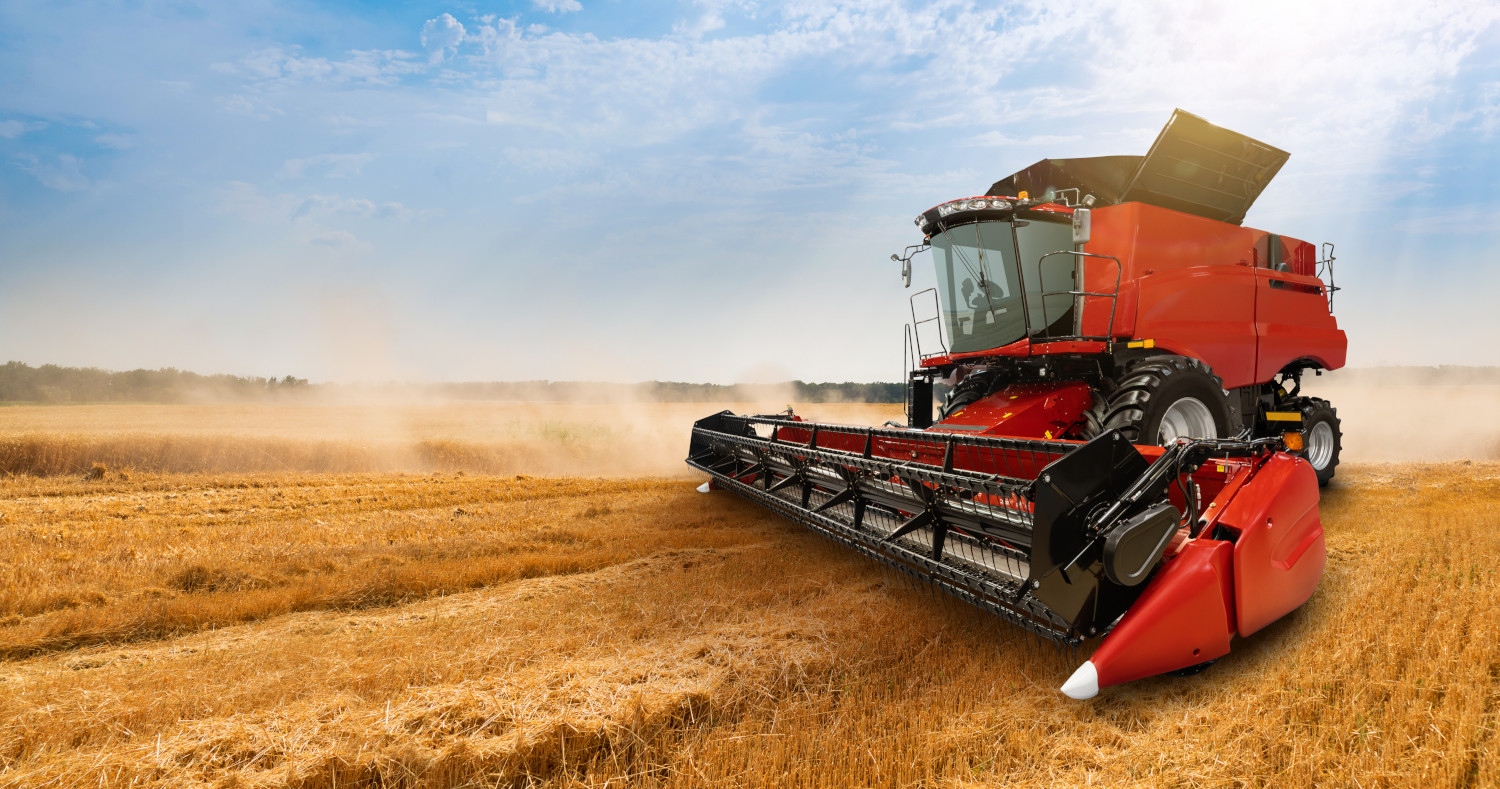
- Equipment Management: Farmers and farm workers can use two-way radios to coordinate the use of equipment, such as tractors, combines, and sprayers. They can communicate with each other to ensure that equipment is being used safely and effectively and to resolve any issues that arise.
- Livestock Management: Farmers can use two-way radios to coordinate the management of livestock, such as cattle, sheep, and pigs. They can communicate with each other to ensure that animals are being cared for properly and to address any concerns about their health or safety.
- Real-time Monitoring: Two-way radios can be used to monitor weather conditions, crop growth, and other important factors in real-time. This can help farmers make more informed decisions and adjust their operations as needed to improve efficiency.
- Emergency Communication: In the event of an emergency, such as a wildfire or severe weather, farmers and farm workers can use two-way radios to communicate with each other and coordinate a response.
- Security: Farmers can use two-way radios to communicate with security personnel and to report any suspicious activity on their property.
GPS (Global Positioning System) and two-way radios can be used together to provide enhanced communication and navigation capabilities in a variety of settings, including agriculture, outdoor activities, and emergency response. Here are some examples of how GPS and two-way radios can be used together:
- Location tracking: GPS can be used to track the location of individuals or vehicles equipped with GPS devices, while two-way radios can be used to communicate with those individuals or vehicles in real time. This can be useful in agriculture for tracking the location of farm workers or equipment, and in emergency response for coordinating the location of rescue teams.
- Navigation: GPS can be used to provide real-time navigation information to individuals equipped with GPS devices, while two-way radios can be used to communicate with those individuals to provide additional instructions or information.
- Emergency response: GPS can be used to track the location of the individual, while two-way radios can be used to communicate with those responders in real time. This can be useful in emergency situations where quick communication and coordination are critical.
- Fleet management: GPS can be used to track the location and status of vehicles in a fleet, while two-way radios can be used to communicate with drivers and dispatchers in real-time.
Overall, two-way radios and GPS can be useful tools for improving communication and efficiency in thagricultureparticularly in settings where cell phone coverage may be limited or unreliable.